Contact us
Connect with our expert today.
Name
Surname *
Mobile *
Email *
What is your overseas goal? *
How did you hear about us? *
Message
Thank you! Your submission has been received - a dedicated expert will contact you shortly.
Oops! Something went wrong while submitting the form. Please try again.
WhatsApp Watermark or Logo
STUDY ABROAD

STUDY IN CANADA FOR INDIAN STUDENTS

Unlock world-tier opportunities with prestigious degrees and a multicultural lifestyle. Canada is the strategic choice for global students in 2026.
No items found.

STUDY IN CANADA FOR INDIAN STUDENTS

Complete Guide to Universities, Study Permit, Costs, Work Rights & PR Pathways

Canada has evolved into one of the most structured and transparent international education destinations in the world. For Indian students, it offers not only globally recognised degrees, but also regulated work rights, clear post-study pathways, and one of the most predictable immigration systems among developed countries.

Unlike destinations that separate education from migration policy, Canada integrates the two. This is why over one million international students currently study in Canada, with Indian students forming one of the largest and fastest-growing groups.

Why Study in Canada?

Canada’s appeal lies in structure, not just popularity.

It consistently ranks among the safest countries globally and maintains strong economic stability. Canadian degrees are internationally recognised, and universities operate under strict provincial quality regulation frameworks.

More importantly, Canada has designed its international education system in alignment with labour market needs. This alignment creates realistic post-study opportunities for skilled graduates.

For Indian students, this combination of academic credibility and workforce integration makes Canada a strategic long-term destination.

Canadian Higher Education System Explained

Canada does not have a single national education ministry. Education is regulated by provinces, which ensures quality control and institutional accountability.

Institutions fall into three broad categories:

Public
Universities

Public
Colleges

Private
Designated

Students must choose institutions listed as Designated Learning Institutions (DLIs) to qualify for a study permit.

Programs offered include:

Undergraduate

3–4 Years

Postgraduate

1–2 Years

Certificates & Diplomas

1–2 Years

Doctoral Programs

3–5 Years

Co-op Programs

Work Integrated

Co-op programs are particularly valuable, as they allow students to gain structured Canadian work experience during their studies.

Top Universities in Canada

Canada is home to several globally ranked institutions, including:

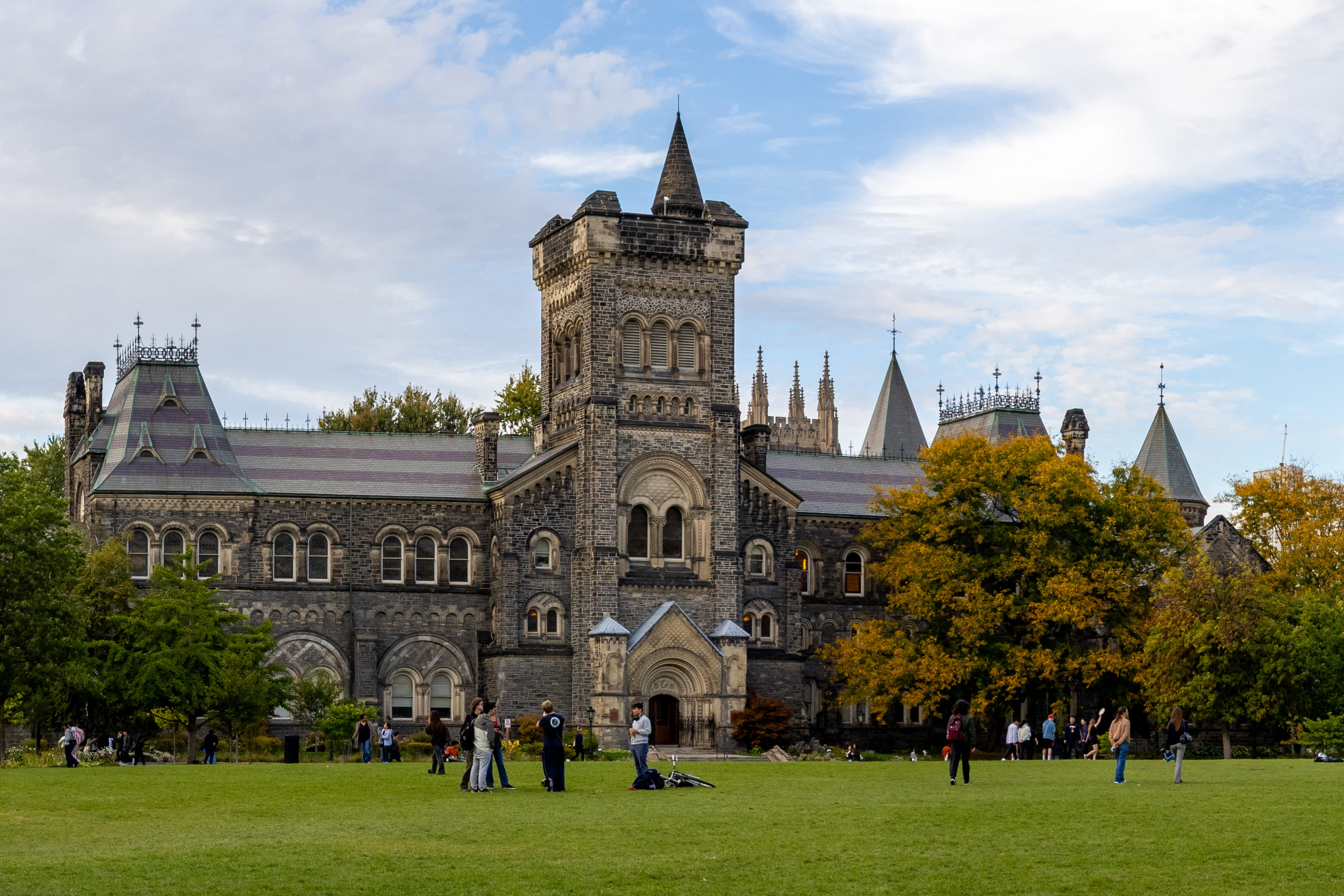
University of Toronto
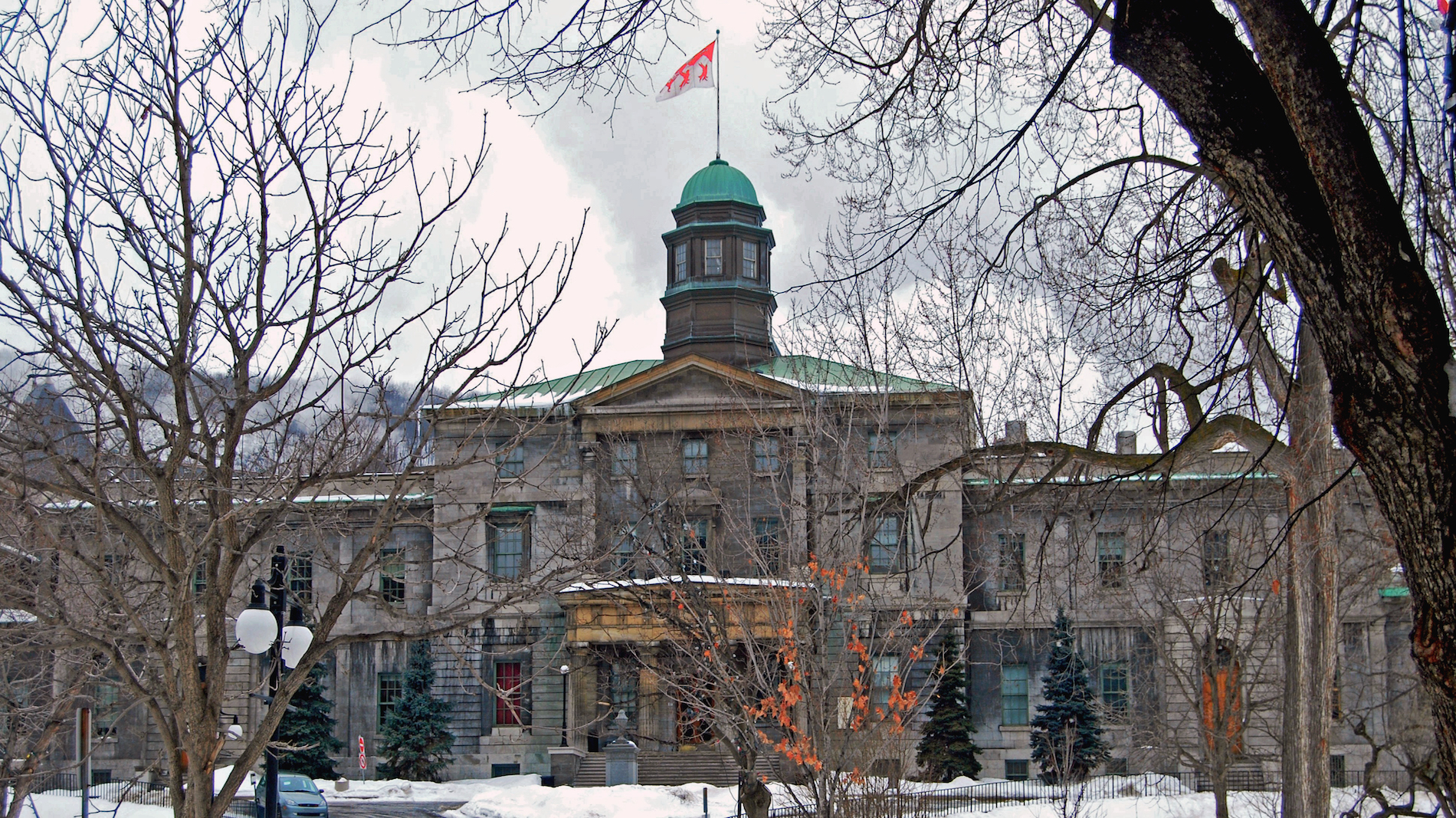
McGill University
UBC
University of Alberta
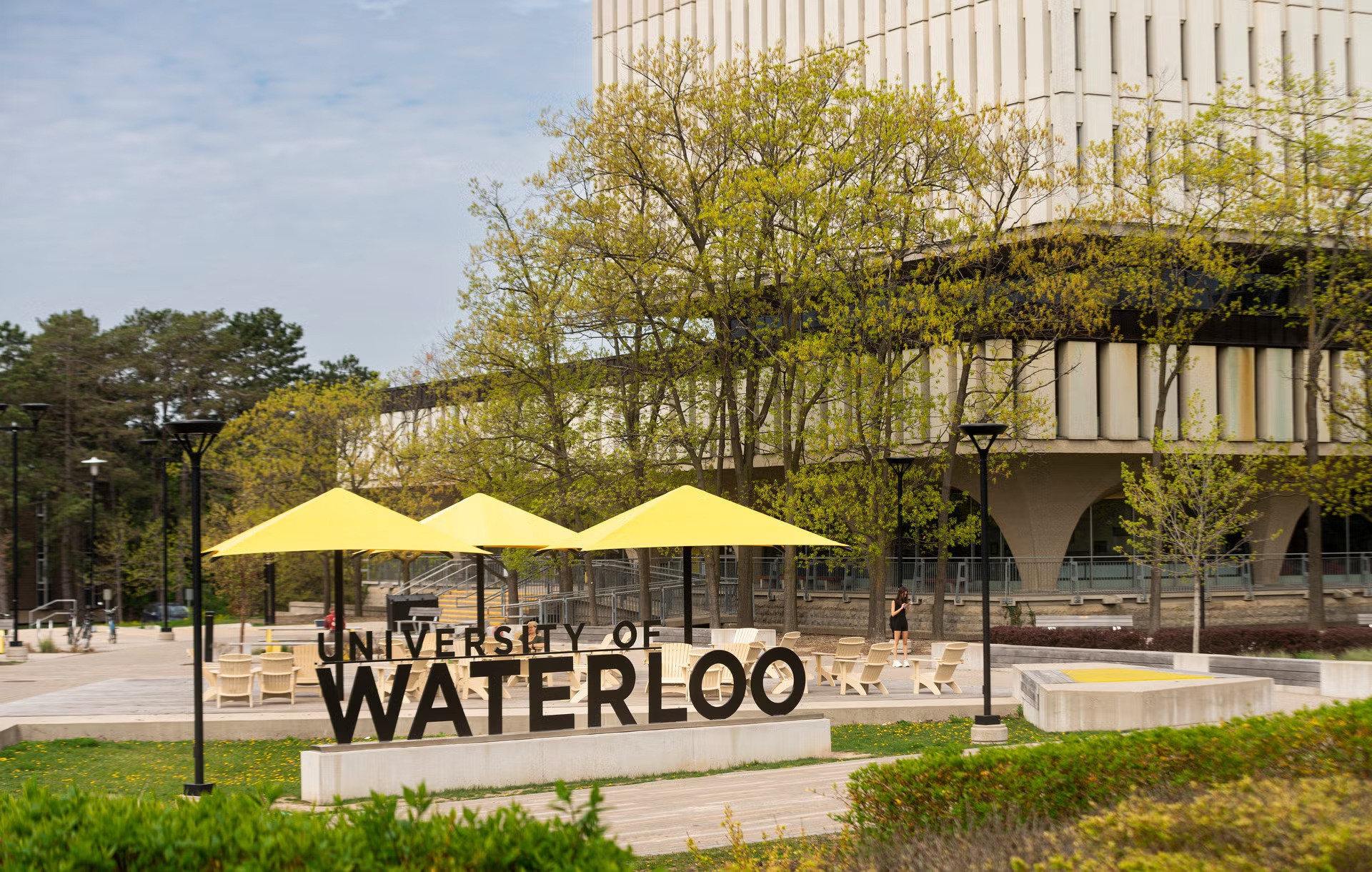
University of Waterloo

These institutions are recognized for research output, industry collaboration, and international student support systems.

However, Canada’s strength is not limited to its top-tier universities. Many public colleges and mid-ranked universities offer industry-focused programs with strong employability outcomes.

Canada Study Permit: What You Actually Need

To study in Canada, you require a Study Permit. A Study Permit is not the same as a visa; it is the legal authorisation to study at a DLI.

The Study Permit allows you to:

  • Study full-time at an approved institution
  • Work part-time during studies (up to 20 hours per week)
  • Work full-time during scheduled academic breaks
  • Apply for a Post-Graduation Work Permit (if eligible)

Applicants must secure a Letter of Acceptance from a DLI before applying.

In many provinces, a Provincial Attestation Letter (PAL) is now required in addition to the Letter of Acceptance.

Financial Requirements to Study in Canada

Canada maintains strict financial proof requirements to ensure students can sustain themselves.

Tuition Fees
Programs Annual Cost (CAD) Annual Cost (INR Approx.)
Undergraduate programs CAD 18,000 – 35,000 per year ≈ INR 11.2 lakh – 21.7 lakh
Postgraduate programs CAD 20,000 – 40,000 per year ≈ INR 12.4 lakh – 24.8 lakh
MBA programs CAD 30,000 – 60,000 per year ≈ INR 18.6 lakh – 37.2 lakh
Diploma programs CAD 14,000 – 22,000 per year ≈ INR 8.7 lakh – 13.6 lakh
Exchange rates fluctuate. INR values are approximate and may vary by institution, province, and lifestyle.
Living Expenses

As per Canadian immigration guidelines (outside Quebec), students must show:

CAD 20,635 per year

≈ INR 12.8 lakh

This amount excludes tuition fees.

Typical monthly expenses include:

Typical Monthly Costs Estimated Cost (CAD)
Accommodation CAD 600 – 1,200
Food CAD 300 – 600
Transportation CAD 80 – 150
Utilities & Internet CAD 150 – 250
Total estimated yearly budget including tuition: CAD 40,000 – 60,000 ≈ INR 24 – 37 lakh

Student Direct Stream (SDS) for Indian Students

Indian students may apply under the Student Direct Stream (SDS) for faster processing, subject to eligibility.

SDS generally requires:

  • IELTS Academic score of 6.0 overall (minimum 6.0 in each band)
  • Purchase of CAD 20,635 GIC
  • First-year tuition fees paid upfront
  • Upfront medical examination

SDS applications are typically processed faster than regular applications, but approval still depends on overall profile strength and financial clarity.

Genuine Student Requirement

Canada evaluates whether applicants are genuine students.

Visa officers assess:

  • Academic progression
  • Course relevance
  • Career clarity
  • Financial consistency
  • Ties to home country

A poorly structured Statement of Purpose (SOP) is one of the most common reasons for refusal.

Students must demonstrate that their chosen program aligns logically with their past education and future career plans.

Work While Studying in Canada

International students are permitted to work:

  • Up to 20 hours per week during academic sessions
  • Full-time during scheduled breaks

This helps offset living expenses and build Canadian work exposure.

However, students should not rely solely on part-time income to fund tuition.

Post-Graduation Work Permit (PGWP)

The PGWP is one of Canada’s strongest advantages.

Program duration determines PGWP length:

Programs 8 months – 2 years → PGWP equal to program length
Programs 2+ years → PGWP up to 3 years

PGWP is an open work permit. Graduates can work for any employer in Canada.

Canadian work experience gained during PGWP significantly improves eligibility for permanent residency programs.

Permanent Residency Pathways After Studying

Canada does not automatically grant PR after study. However, its system rewards Canadian education and work experience.

Major PR pathways include:

Express Entry (Canadian Experience Class)
Provincial Nominee Programs (PNP)
Atlantic Immigration Program

Canadian education adds CRS points under Express Entry.

Many students transition from Study Permit → PGWP → PR within 3–5 years.

Popular Courses with Strong Employability

Canada’s labour market consistently demands skills in:

Programs Section

Information Technology

Data Science

Cybersecurity

Engineering

Healthcare & Nursing

Business Analytics

Supply Chain Management

Early Childhood Education

Construction Management

Students should select programs aligned with provincial labour shortages and immigration eligibility lists.

Scholarships in Canada

Canada offers:

  • Entrance scholarships
  • Merit-based university scholarships
  • Research-based funding
  • Provincial grants

Major scholarship examples include:

Vanier Canada Graduate Scholarships

Lester B. Pearson International Scholarship

University of British Columbia International Scholars Program

Most undergraduate scholarships are partial and merit-based.

Intakes in Canada

Canada has three primary intakes:

Intakes Section

September (Fall) – Largest Intake

January (Winter) – Second Major Intake

May (Summer) – Limited Availability

Students should begin applications 6–9 months in advance.

Can You Bring Dependents?

Students may bring eligible dependents.

Spouses may qualify for an open work permit, subject to updated eligibility rules.

Children may apply for study permits.

Financial proof requirements increase accordingly.

Common Reasons for Study Permit Refusal

  • Unclear academic progression
  • Weak SOP
  • Financial inconsistency
  • Mismatch between education and proposed course
  • Inadequate proof of funds
  • Poor documentation

Proper preparation significantly reduces refusal risk.

How Winny Helps You Study in Canada

Studying in Canada isn’t just about securing admission — it’s about planning the entire journey correctly. Winny supports you at every stage with clarity and structure.

Profile & Eligibility Check

We assess your academics, study gaps, English readiness, and course alignment before you apply — reducing avoidable refusals.

Right Course, Right Province Strategy

We help you choose PGWP-eligible programs at recognised DLIs, keeping long-term work and PR pathways in mind.

Financial Structuring & Documentation

From tuition sequencing and GIC setup to source-of-funds explanation, we ensure your financial profile is strong and compliant.

SOP & Study Plan Guidance

We structure your Statement of Purpose around academic progression, career logic, and genuine intent — not generic templates.

Study Permit Application Support

End-to-end guidance on SDS/Non-SDS pathways, documentation accuracy, biometrics, and response handling.

Post-Study & PR Roadmap

We help you understand PGWP rules, Express Entry basics, and province-based opportunities early — not after graduation.

Frequently Asked Questions

Everything you need to know in one place
Can I stay back and work after completing my studies?
Most top destinations offer post-study work permits (PSW) that let you gain international work experience. Duration depends on the country and program level
How do I know if I am eligible for a study abroad program?
Eligibility depends on academic scores, language proficiency, financial capacity, and program prerequisites. Winny evaluates your profile and suggests the right options.
What is the timeline for the study abroad process?
The process generally takes 8–12 months, including university selection, application submission, offer letters, financial prep, and visa filing.
Can I work part-time while studying abroad?
Most countries allow international students to work 20 hours/week during classes and full-time during breaks. Part-time jobs help manage living expenses and gain experience.
Do universities offer scholarships to international students?
Yes, many universities offer merit-based, need-based, and country-specific scholarships. Winny helps identify scholarships you qualify for and guides you with applications.
What English tests are accepted by universities?
Most universities accept IELTS, TOEFL, PTE, Duolingo, or country-specific tests. Your required score depends on your program and university.
How do I choose the right country to study abroad?
Students usually decide based on career goals, budget, job opportunities, PR pathways, and university rankings. Winny helps you shortlist countries that match your long-term plan.
What documents are required to apply for study abroad?
You typically need academic transcripts, passport, English-language test scores, SOP/LORs, financial proof, and application forms. Requirements vary by country and university.
How much does it cost to study abroad?
Costs depend on the country, program, and living expenses. Students should plan for tuition, accommodation, travel, and daily expenses. Winny helps with accurate cost breakdowns for your target country.
What are the best intakes for studying abroad?
Major intakes include Fall/September and Spring/January, while some countries also offer Summer or rolling intakes. Applying early ensures better chances of admission and scholarships.
Avatar photoAvatar photoAvatar photo

Still have questions?

Get in touch with an expert.